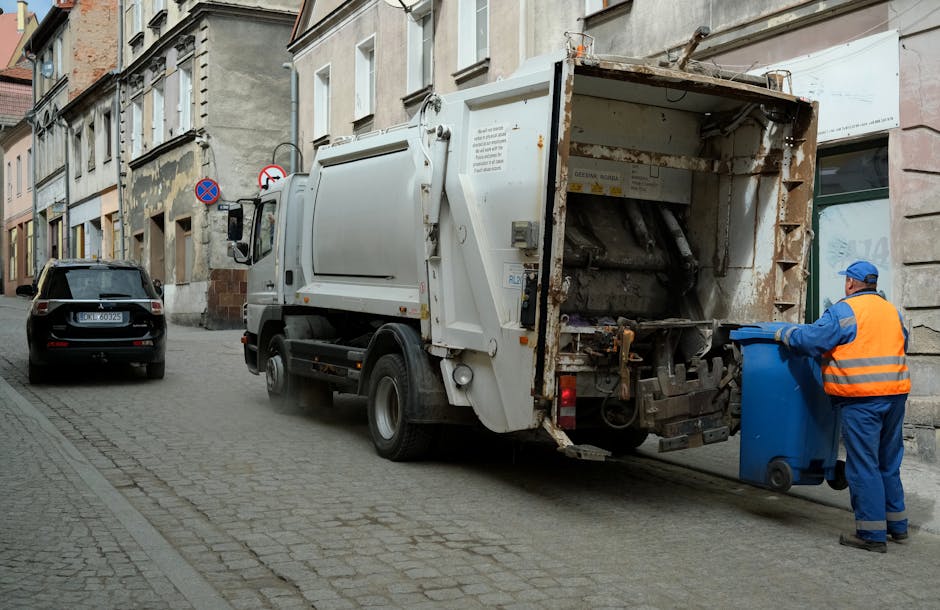
Neasden shop rubbish removal outside Neasden Shopping Centre: a practical guide for busy traders
If you run a shop near the shopping centre, you already know the problem: stock comes in, packaging builds up, display units get replaced, and somehow the back of house fills up faster than anyone planned. Neasden shop rubbish removal outside Neasden Shopping Centre is really about keeping that space workable, safe, and presentable without turning a trading day into a logistics headache. It sounds simple. In real life, not always.
This guide explains how shop waste clearance works, what to expect, when it makes sense, and how to avoid the awkward mistakes that can slow you down. Whether you manage a small independent unit, a takeaway, a kiosk, or a larger retail premises nearby, the aim is the same: clear the clutter quickly, protect your staff and customers, and keep the front looking like a business that has its act together.
For businesses that want a broader view of disposal options, it can also help to look at general waste removal services, especially if your shop generates mixed waste rather than one-off bulky items.
Expert summary: The best shop rubbish removal is the kind that happens with minimal disruption, clear communication, sensible sorting, and proper handling of everything from cardboard to broken fixtures. Quick is good. Safe and lawful is better. Quietly efficient is best of all.
Table of contents
- Why Neasden shop rubbish removal outside Neasden Shopping Centre matters
- How Neasden shop rubbish removal outside Neasden Shopping Centre works
- Key benefits and practical advantages
- Who this is for and when it makes sense
- Step-by-step guidance
- Expert tips for better results
- Common mistakes to avoid
- Tools, resources and recommendations
- Law, compliance, standards, or best practice
- Options, methods, or comparison table
- Case study or real-world example
- Practical checklist
- Conclusion
- Frequently asked questions
Why Neasden shop rubbish removal outside Neasden Shopping Centre matters
Shop rubbish is not just an eyesore. Left too long, it gets in the way of trade. Cardboard blocks stockroom access, old display materials clutter fire routes, and bulky waste can make a simple restock feel like an obstacle course. You will notice it most on busy delivery days, when someone is trying to squeeze past a pile of flattened boxes and a damaged shelf section at the same time. Not ideal.
For retail premises outside Neasden Shopping Centre, waste management also affects how your shop feels from the pavement. A tidy frontage helps with first impressions, and first impressions still matter a lot in retail. Even if people are only passing by, they notice whether a business looks controlled or chaotic. Let's face it, customers tend to trust the neat shop more than the one with a leaning stack of rubbish bags outside.
There is also the practical side. Accumulated commercial waste can attract pests, create slip hazards, and make it harder for staff to work safely. If your unit shares a loading or access area with other businesses, poor waste handling can create friction pretty fast. One overflowing pile can become everybody's problem.
For businesses that generate waste regularly, it is often worth comparing ad hoc clearances with an ongoing arrangement through business waste removal. That can be a better fit if your shop produces recurring packaging, stock waste, or mixed commercial rubbish.
How Neasden shop rubbish removal outside Neasden Shopping Centre works
In most cases, shop rubbish removal is arranged around what needs clearing, where it is stored, and how quickly it needs to go. A small load of cardboard and broken fittings is very different from a backroom full of shelving, old promotional displays, and damaged stock. The process is usually straightforward, but the details matter.
Here is the basic flow:
- Assess the waste - identify what needs removing, how much there is, and whether any items need special handling.
- Check access - think about rear loading, shopfront access, stairs, narrow corridors, and parking limitations.
- Book the collection - choose a time that suits trading hours, deliveries, and staff availability.
- Sort what can stay - separate reusable stock, confidential paperwork, and items that need specialist disposal.
- Remove and load - the waste is taken away, ideally with minimal disruption to customers and neighbouring businesses.
- Handle recovery or recycling - where possible, items are separated for recycling, recovery, or appropriate disposal.
If your clearance includes bulky furniture, damaged counters, or old display units, it can be useful to combine the job with a more specific service such as furniture disposal. That way the team is not guessing what belongs in the pile. Clearer for everyone.
Some shops also need appliance removal, especially if there is a back-of-house fridge, undercounter unit, or broken microwave. In that case, a dedicated service like fridge and appliance removal is worth considering because appliances can need more careful handling than ordinary waste.
Key benefits and practical advantages
There are obvious benefits, and then there are the quieter ones that only show up once the mess has gone.
- More usable space - stockrooms, basements, rear yards, and staff areas become easier to work in.
- Better safety - fewer trip hazards, less obstruction, and cleaner access routes.
- Improved appearance - customers and neighbouring businesses see a tidy shop, not a dumping ground.
- Less staff stress - no one enjoys stepping around old packaging or shifting broken units at closing time.
- Faster turnaround during refits - if you are changing displays or refreshing the shop floor, waste clearance keeps the project moving.
- More sensible disposal - mixed waste, recyclables, and specialist items can be separated properly.
There is a commercial angle too. When waste is handled efficiently, you reduce the chance of extended downtime. If your shop needs a refit or a deep clear-out before a busy trading period, that timing matters. A half-finished clear-up on a rainy Tuesday morning? Nobody needs that.
For shop owners planning a broader clear-out, you may also find office clearance useful if the waste includes desks, filing units, printers, or back-office furniture. Retail and admin spaces often overlap more than people think.
Who this is for and when it makes sense
This kind of clearance is useful for a lot of businesses, not just large retailers. In fact, smaller shops often feel the pinch more because they have less storage and less margin for mess.
Common situations where it makes sense
- Seasonal reset after a promotion, sale, or product launch
- End-of-lease or pre-inspection clean-out
- Shop refit or rebrand
- Damaged stock, broken fittings, or old shelving
- Overflow from packaging and deliveries
- Clearance after an equipment failure or store closure
- Backroom, basement, or storage area that has quietly become unusable
There are also mixed-use premises to think about. A salon with retail stock, a cafe with a small shopfront, or a convenience store with storage space may need a tailored approach. The waste is rarely one neat category. It is usually a bit of everything, which is exactly why a flexible clearance plan helps.
If your waste includes confidential paperwork, customer records, or old printed files, do not just toss them in with general rubbish. A dedicated service like confidential shredding is a safer route for anything sensitive. That little bit of caution avoids bigger headaches later.
Step-by-step guidance
If you want the process to run smoothly, the trick is to prepare a little before collection day. Nothing dramatic. Just the sort of practical prep that saves time and avoids the "where does this go?" conversation while the crew is already there.
1. Walk the site properly
Do a full walk-through of the shop, stockroom, and any rear access area. Identify the items that need removing and note anything awkward: stairs, low ceilings, locked gates, narrow corridors, or shared alley access.
2. Separate the waste types
Group items into sensible piles: cardboard, general waste, furniture, appliances, damaged stock, and anything hazardous or confidential. This keeps the job cleaner and often quicker.
3. Remove reusable stock and documents first
Sounds obvious, but in busy shops people often leave usable items buried under the stuff they want gone. Pull out anything that should stay before the clear-out starts. Saves arguments. Saves time too.
4. Flag special items early
Fridges, freezers, large appliances, certain chemicals, and sharp or contaminated materials need more careful handling. If you know they are there, say so early.
5. Check opening hours and footfall
For shops near the shopping centre, timing is everything. Early morning, quieter midweek slots, or after-close collections often work best. Try not to schedule a clearance right in the middle of a customer rush unless you really have no choice.
6. Clear a safe working route
Make sure the team can move from the waste area to the collection point without weaving around stacked stock, mop buckets, or a line of delivery crates. A clean route makes the whole job safer.
7. Confirm what happens after collection
Ask how recyclable items are handled and whether certain materials need to be separated in advance. If you are interested in sustainability, that part matters more than it once did.
For businesses that want to build better disposal habits, recycling and sustainability is a useful area to review alongside the clearance itself. In practice, the best waste job is the one that leaves as little unnecessary rubbish behind as possible.
Expert tips for better results
After enough clearances, a few patterns become obvious. The jobs that go well are rarely the ones with the fanciest plans. They are the ones with good prep and clear decision-making.
- Take photos before the collection - it helps everyone understand the scale and avoids confusion on the day.
- Be ruthless with duplicates - shops often keep two of everything "just in case", and that habit eats space fast.
- Label piles clearly - even simple sticky notes on boxes can save a surprising amount of time.
- Keep access points clear - a cluttered route slows everything down and makes accidents more likely.
- Plan around deliveries - avoid putting clearance and restocking at war with each other.
- Think about heavy items first - if something awkward will take two people to move, get it out of the way early.
One small thing that tends to help: keep a "do not remove" zone marked off before the team arrives. It sounds simple, almost too simple, but it stops those last-minute panics where somebody says, "Wait, was that chair meant to stay?" You know the scene.
If your project includes refurbishment waste, wood offcuts, old counters, plasterboard, or packaging from a fit-out, a service such as builders waste clearance may be more relevant than a standard shop clear-out. Fit-out waste and retail waste overlap, but they are not quite the same thing.
Common mistakes to avoid
Most shop waste problems are preventable. The trouble is, when a place is busy, people rush. And rushed decisions usually create more work later.
Typical mistakes
- Leaving everything mixed together - this makes sorting slower and can create problems with special items.
- Ignoring access issues - if a large item will not fit through the route, the collection can stall.
- Forgetting about hazards - broken glass, needles, chemicals, or contaminated waste need extra care.
- Using the wrong service type - not every collection is a general waste job.
- Assuming all items can go together - some materials simply need separate handling.
- Leaving the booking too late - particularly unhelpful before a refit or lease handover.
A very common one is the "we'll just put it near the door and sort it later" approach. Later usually turns into after closing, then tomorrow, then next week. Funny how that happens.
Another mistake is overlooking bulky domestic-style items that appear in retail units, such as sofas in staff areas or mattresses in upper rooms. If that is part of the job, a specific service like mattress and sofa disposal can make things simpler and more appropriate.
Tools, resources and recommendations
You do not need a warehouse full of equipment to manage shop waste properly. But a few simple tools make a big difference.
- Heavy-duty bags for loose rubbish and smaller mixed waste
- Cardboard cutters or box cutters for flattening packaging safely
- Labels or tape for marking keep/remove zones
- Trolleys or sack trucks where heavy loads need moving from the stockroom
- Gloves and basic PPE when handling rough or sharp items
- Measuring tape for checking awkward furniture or appliances against access points
- Camera phone to document the load before collection
For shop owners who are also juggling home-based storage, a broader clearance service may be useful. Depending on what is being removed, home clearance or house clearance can be relevant for mixed household and business contents, especially in live-work situations.
If you have old furniture that is reusable but no longer needed on site, it is worth comparing furniture clearance with disposal-only options. Sometimes the best outcome is simply getting a usable item moved efficiently rather than chopped up or left to deteriorate.
Law, compliance, standards, or best practice
For business waste, compliance is not something to leave vague. The exact requirements depend on the type of waste, but the general rule is straightforward: commercial waste should be handled responsibly, kept separate where needed, and transferred through proper arrangements. If you are unsure, treat anything contaminated, sharp, electrical, chemical, or confidential as a special case rather than ordinary rubbish.
Best practice in the UK retail context usually includes:
- keeping waste stored safely until collection
- separating general waste from recyclables where practical
- identifying hazardous or restricted items early
- avoiding obstruction of fire exits, walkways, and customer access
- making sure staff know what can and cannot be placed in collection piles
For shops with appliances, fridges, or freezers, do not assume they can simply be left with standard waste. Likewise, anything that may contain oils, batteries, or other potentially hazardous components needs more careful handling. A dedicated route such as hazardous waste disposal is the safer option for waste that should not be treated like everyday rubbish.
There is also a safety element. Good clearance work should follow a sensible health and safety approach, especially where heavy lifting, shared access, or sharp materials are involved. If you want to see how a provider frames that side of the job, health and safety policy and insurance and safety are worth reviewing. Not glamorous, no, but important. Very important.
And if you want a clear idea of pricing expectations before booking anything, a transparent pricing and quotes page can help you compare options more calmly. That kind of clarity makes decision-making a lot easier.
Options, methods, or comparison table
Different waste situations call for different methods. A small shop clearing a few bags of packaging does not need the same approach as a retail unit dumping counters, fixtures, and old appliances. The right choice depends on volume, access, waste type, and urgency.
| Method | Best for | Pros | Watch-outs |
|---|---|---|---|
| Ad hoc rubbish removal | Occasional small-to-medium clear-outs | Flexible, quick to arrange, good for one-off needs | Can become costly if used too often |
| Scheduled business waste removal | Regular packaging and shop waste | Predictable, tidy, easier to budget for | Less suited to bulky one-off items |
| Bulky furniture clearance | Old counters, shelving, seating, display units | Good for larger items and refits | May need access planning and more handling time |
| Appliance-specific removal | Fridges, freezers, microwaves, other units | Safer for regulated or awkward items | Must be separated from ordinary waste |
| Mixed commercial waste removal | Jobs with several waste types together | Practical when waste is varied | Needs clear identification of special items |
In some cases, it makes sense to combine more than one service. For example, a refit might need waste removal, furniture disposal, and builders waste clearance all in the same week. That is normal. Messy from the outside, but perfectly manageable with a good plan.
Case study or real-world example
Picture a small retail unit outside Neasden Shopping Centre that is preparing for a display refresh. The back room has four broken shelving panels, a damaged counter, half a dozen cardboard bundles, a busted undercounter fridge, and a few bags of mixed rubbish from the previous month's deliveries. Nothing dramatic, but enough to get in the way.
The shop manager first clears the stock that needs to stay. Then they separate the waste into three groups: general rubbish, furniture and fittings, and the appliance. They also make sure the rear route is open and that staff know collection will happen before the afternoon trade rush. Sensible, really.
On the collection day, the waste is removed in one visit rather than spread over several trips. The result is simple but valuable: staff can move freely again, the stockroom becomes usable, and the shop floor looks ready for the refresh. There is less dust, less confusion, and fewer interruptions to trade. The whole thing takes on a kind of quiet relief once it is done.
That is often the real value of Neasden shop rubbish removal outside Neasden Shopping Centre. Not drama. Not spectacle. Just a working shop again.
Practical checklist
Use this checklist before collection day. It keeps things tidy and reduces back-and-forth.
- Identify every item that needs removing
- Separate stock, rubbish, and anything to keep
- Mark confidential papers and sensitive items
- Flag fridges, freezers, and electrical items
- Check access routes, locks, stairs, and parking constraints
- Clear a safe working path through the shop or stockroom
- Confirm the best time for collection
- Ask how recyclable items will be handled
- Make sure staff know what should not be touched
- Review any special safety or insurance concerns
If you are clearing more than one space, it may be worth looking at garage clearance or loft clearance as well, especially where storage areas have become overflow zones for shop materials. That happens more often than people admit.
Conclusion
Neasden shop rubbish removal outside Neasden Shopping Centre is really about keeping your business usable, safe, and presentable without disrupting trade more than necessary. The smartest approach is usually the simplest one: prepare the waste properly, flag special items early, choose the right service type, and plan the collection around your working day.
When you get that balance right, the job feels much smaller. The stockroom breathes again. The front of house looks better. Staff can move without weaving around old boxes and broken fittings. And customers notice, even if only subconsciously, that the place feels under control.
If you are ready to clear space and take the pressure off your team, start with a proper quote and a straightforward plan.
Get a free quote today and see how much you can save.
Sometimes the best business decision is the one that simply makes tomorrow easier.
Frequently Asked Questions
What counts as shop rubbish outside Neasden Shopping Centre?
It usually includes packaging, damaged stock, old shelving, broken displays, small fixtures, bags of mixed rubbish, and sometimes appliances or furniture. If the item comes from a business space, treat it as commercial waste rather than household rubbish.
Can shop rubbish be removed during trading hours?
Sometimes yes, but it depends on access, footfall, noise, and how much waste there is. For many shops, quieter times such as early morning or after closing are easier and less disruptive.
Do I need to sort the waste before collection?
It helps a lot. You do not need to overcomplicate it, but separating general waste, furniture, appliances, and confidential material makes the job faster and cleaner.
What if my shop waste includes a fridge or freezer?
That should be treated as a separate item and not mixed in with general rubbish. Appliance removal is usually the better route, especially if the unit is heavy or awkward.
How do I prepare a small retail unit for rubbish removal?
Clear a route, separate what is staying, flag bulky items, and confirm access arrangements. A five-minute walkthrough at the start often saves half an hour later.
Is confidential paper allowed in general shop waste?
It is not a good idea. Sensitive paperwork should be handled separately through confidential shredding, especially if it contains customer or staff information.
What is the difference between shop waste removal and business waste removal?
Shop rubbish removal is usually a one-off or irregular clearance. Business waste removal is more often a recurring service for regular trade waste such as packaging, office waste, or ongoing site rubbish.
Can old shop furniture be taken away too?
Yes, if it is included in the job and access is suitable. Counters, shelving, seating, and display units are common examples of items removed during retail clear-outs.
How can I reduce waste from my shop in the first place?
Flatten cardboard quickly, keep reusable items separate, order stock more carefully, and review what gets thrown away each week. Small changes make a noticeable difference over time.
What should I do with hazardous items from a shop?
Keep them separate and do not mix them with ordinary rubbish. Hazardous materials need careful handling and should be checked before collection so the right disposal route is used.
Will rubbish removal help if I am preparing for a refit or closure?
Yes, absolutely. Refits and closures often create the biggest waste piles, and a proper clearance keeps the project moving instead of letting rubbish slow everything down.
How do I know which service is right for my waste?
Look at what you actually have on site. Mixed commercial waste, furniture, appliances, and builders waste all point to slightly different solutions. If in doubt, choose the service that matches the heaviest or most specialised item in the pile.
For further information about the company behind these services, see about us, or review the practical details on terms and conditions and payment and security.