Health & Safety Policy — Commercial Waste Removal Neasden
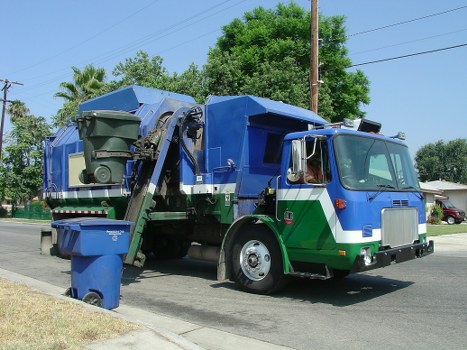 Policy statement: This Health and Safety policy sets out the commitments of our team providing commercial waste removal Neasden and surrounding service areas to protect the health and welfare of employees, contractors, visitors and the public. Our aim is to operate safe commercial rubbish removal services with continuous risk reduction through planning, training and supervision. The policy applies to all operations of the rubbish company service area, including collection, transportation, transfer and temporary storage of waste, and applies to all staff and contractors working on site or on behalf of the business.
Roles and responsibilities: Management will ensure adequate resources are allocated to implement safe systems of work and that everyone is aware of their duties. Line managers are responsible for safe day-to-day operations and ensuring commercial waste collection tasks are risk-assessed. Employees must follow instruction, report hazards, and cooperate with safety monitoring. We require all contractors to meet our standards before being permitted to work on site, and subcontractors are expected to follow the same controls as our own staff.
 Risk management and assessment: Systematic risk assessment is central to safe Neasden commercial waste services. Before any task is undertaken, hazards are identified and control measures recorded in written risk assessments and safe work procedures. Controls include elimination, substitution, engineering measures, administrative actions and use of personal protective equipment (PPE). Special attention is given to handling hazardous streams, sharps, asbestos-suspect materials and spill-prone loads to reduce exposure and environmental impact.
Operational safety procedures
Operational procedures are documented and reviewed regularly. Key operational controls include:- PPE and clothing: staff must wear appropriate gloves, high-visibility clothing, eye protection and safety footwear when handling waste and operating equipment.
- Manual handling: mechanical aids and team lifts are employed to reduce musculoskeletal injury risk; training is mandatory.
- Segregation and packaging: waste streams are separated, labelled and contained to avoid cross-contamination and biohazard exposure.
- Containment of liquids: drip trays, bunding and absorbents are used to prevent spills during transfer.
 Training and competence: All staff receive induction training covering health and safety obligations, manual handling, hazardous waste awareness and emergency response. Ongoing competence is maintained through refresher training, toolbox talks and supervisor-led briefings. New equipment or revised procedures trigger immediate familiarisation sessions. We keep training records to ensure competence across the commercial rubbish removal workforce and to support continuous improvement.
Vehicle and plant safety
Vehicles and plant used in commercial rubbish removal are inspected daily. Drivers and operators complete pre-shift checks, adhere to load security standards and follow safe driving policies. Maintenance schedules are kept current, and any defects are reported and taken out of service until repaired. Safe carriage of waste is enforced through load restraint, correct tipping procedures and adherence to route risk assessments.Incident reporting and investigation: All accidents, near misses and environmental incidents must be reported immediately. A formal investigation is conducted to determine root causes and to identify corrective actions. Learning from incidents is shared across teams to prevent recurrence. First aid arrangements, emergency contacts and spill kits are maintained at appropriate locations and tested during drills.
 Environmental controls and waste handling: Our operational practices balance safety with environmental responsibility. Waste segregation, recycling prioritisation and secure containment reduce contamination and improve recycling performance. Spill response plans and containment measures are in place to protect drainage systems and public areas. When operating within our service area, crews follow route plans and collection protocols that minimise disturbance and visual nuisance while ensuring safe removal.
 Monitoring, review and continuous improvement: The policy and its procedures are reviewed at least annually or sooner following significant change, incident or regulatory update. Audits and inspections monitor compliance and the effectiveness of controls. Performance indicators include incident trends, training completion, vehicle inspection rates and corrective action closure times. Senior management maintains ultimate responsibility for health and safety and demonstrates leadership by ensuring that policy objectives are met and that the rubbish company service area operates to a consistent, safe standard.
Commitment: We commit to providing a safe working environment, protecting the public and reducing the risks associated with commercial waste removal operations. This statement is supported by tangible measures: documented procedures, regular training, equipment maintenance and a culture of hazard reporting. Everyone involved in commercial rubbish collection and removal is expected to contribute to a safer workplace by following procedures, using PPE and reporting hazards. Together we aim for zero harm and responsible, compliant waste services.
