Commercial Waste Removal in Neasden

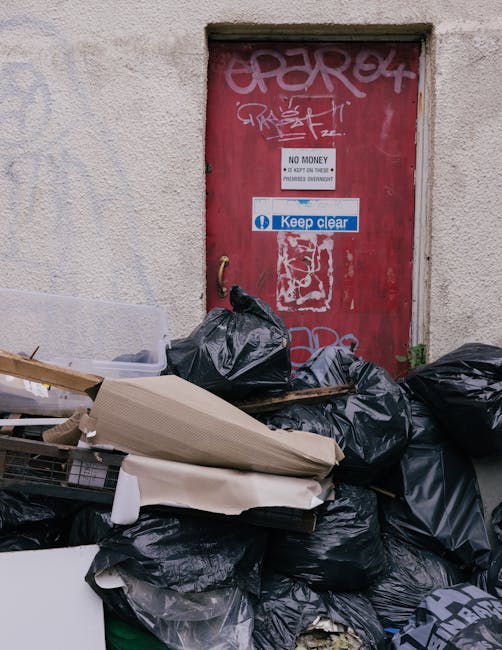
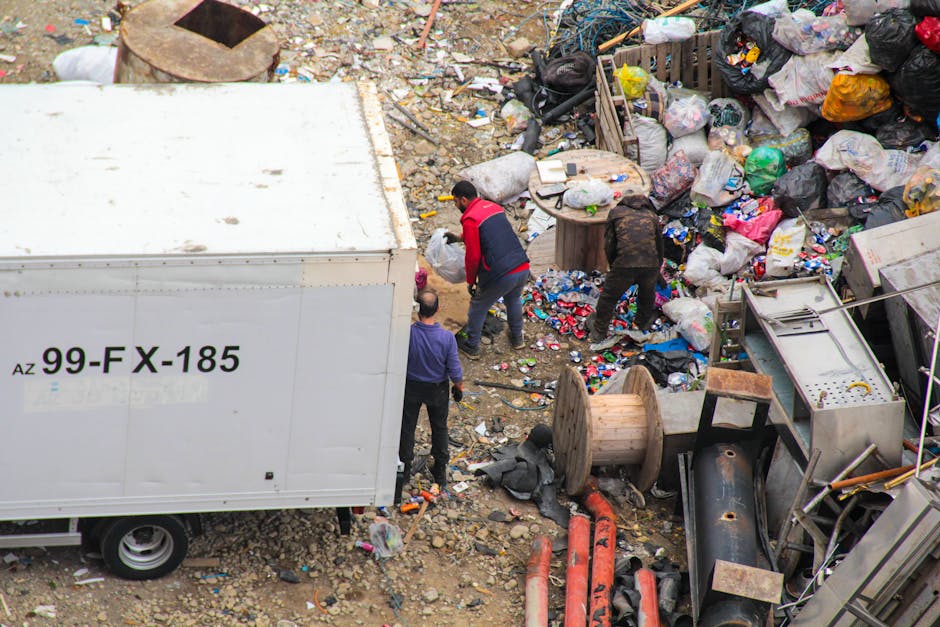
Commercial waste removal in Neasden needs to be practical, well organised and suited to the sort of premises creating the waste. Our service is designed for offices, shops, workshops, hospitality sites and other business settings that need regular collections or one-off clearances without disrupting day-to-day work. We focus on removing mixed commercial rubbish, sorting it appropriately and helping customers keep their premises clear, usable and presentable.
We handle a broad range of business waste streams, from general rubbish and packaging through to furniture, appliances and other bulky items that can build up quickly in storage rooms, back areas and unused corners. Where it is suitable, we separate recyclable material from residual waste so disposal is handled sensibly. If you are planning a clear-out, starting a refit or simply need dependable ongoing collections, our commercial waste removal service can be arranged around the needs of your site.
For a quotation, begin with the type of waste, the amount involved and how access works at your premises. A concise description is usually enough to start the process, and if you already know the collection point or the items to be removed, that can help us assess the job more accurately. You can also use the pricing information on our site if you want to understand the main factors first, then request a quote when you are ready.
Commercial waste collections for busy premises
Every commercial site produces waste differently. A shared office may create paper, cardboard and packaging, while a retail unit may need clearance of display fittings, stockroom items and broken fixtures. We take a sensible approach to these differences so the removal plan matches the premises rather than forcing everything into one fixed pattern. That helps keep the service useful for landlords, tenants, managing agents and business owners alike.
Typical commercial loads can include bagged rubbish, mixed recyclables, dismantled shelving, old desks, broken chairs, storage items and non-hazardous trade debris. If an item is too large to move easily, it is often dealt with by careful lifting and loading rather than leaving it for staff to manage. For larger or more awkward collections, our business waste removal page explains the broader service area and the kind of work commonly included.
When a site needs a fuller clearance, it is often useful to think in terms of zones: reception, workspaces, store rooms, kitchens, corridors or loading areas. That makes it easier to separate what stays from what goes, especially where the waste is mixed with reusable items or equipment that still belongs to the business. Clear separation at the outset usually makes the collection smoother and reduces avoidable handling on the day.
Waste types and how they are handled

Commercial waste can be deceptively varied, even when it looks like a simple pile of rubbish. Offices often generate paper waste, packaging, old electronics and furniture. Customer-facing premises may need removal of damaged displays, storage fixtures or worn soft furnishings. Back-of-house areas can hold mixed waste that has built up gradually, and that is where a methodical approach is especially useful. Our work is aimed at removing these items efficiently while keeping the site safe and workable.
Some material can be routed for recycling where it is suitable, while other items need to be treated as residual waste because they are contaminated, damaged or simply not recyclable in their current form. If the clearance includes specialist items such as fridges, freezers or other appliances, it is sensible to identify them early so the collection can be planned correctly. You can also look at the related fridge and appliance removal service if your waste includes bulky electrical equipment.
There are also jobs where the waste mix is more sensitive. In those cases, the emphasis moves from speed to correct handling, separation and compliance with the material involved. Not every item belongs in the same load, and it is better to treat the clearance carefully than to force everything into one simple category. That keeps the service suitable for everyday business rubbish as well as more specific disposal needs.
Office and workplace clearances
Furnishings, equipment and surplus items
Office waste often includes furniture, filing units, computer accessories, boxed stock and general clutter from refits or reorganisations. We can remove the kind of items that take up valuable floor space but are awkward to move within a working building. Where useful, this may include one-off office clearances before a move, after a downsizing or during an internal reorganisation. The key is to create a practical removal plan that fits the premises and the volume involved.
If the clearance is linked to a change of layout, the main decisions are usually what stays in use, what is being replaced and what has reached the end of its life. That distinction matters because office waste is often a mixture of reusable assets and true disposal items. The more clearly those groups are identified, the more straightforward the collection becomes. For fuller workplace projects, our office clearance page covers the service in more detail.
Office clearances also benefit from simple preparation. It helps to group obvious disposal items together, keep routes clear where possible and let us know about access limitations such as lifts, stairwells or controlled entry points. If you are arranging a larger job, a short list of what needs removing can be as useful as photographs, especially where the work takes place across several rooms or floors. For lighter loads, a brief description is often enough to begin.
Furniture, fixtures and bulky items

Bulky commercial furniture is a common reason for arranging waste removal. Desks, chairs, cabinets, tables, shelving and reception furniture all take up space quickly, particularly when a site is being refurbished or repurposed. We remove these items as part of our commercial waste work, helping businesses clear areas that are no longer being used. The emphasis is on removing what is no longer needed without leaving the customer to manage heavy lifting themselves.
Some furniture can be dismantled before collection if that makes it easier to handle, although it is not always necessary. In other cases, the better approach is to take the item away intact and deal with it off site. If your waste includes domestic-style items from staff areas or a mixed clearance with sofas and mattresses, our related mattress and sofa disposal page may also be relevant. The exact method depends on the items and access.
For premises that are being emptied room by room, it can help to identify which pieces are staying in place and which are going. That reduces confusion and prevents unnecessary disruption to working areas. Commercial furniture disposal is rarely just about volume; it is often about managing awkward sizes, tight corridors, lifts, fire doors and occupied spaces. A clear plan makes those practical issues easier to handle.
Clearance for shops, units and customer-facing spaces
Retail and customer-facing premises often need waste removal at short notice when stockrooms are full, fixtures are being changed or old display items are being taken out of use. We can help clear mixed rubbish, packaging, broken fittings and surplus furniture from front-of-house and back-of-house areas. For businesses in these settings, the value of a well-managed clearance is not only space but also a cleaner working environment for staff and contractors.
There are many situations where a retail clearance is best treated as part of a wider tidy-up rather than a single item removal. A shop may need waste cleared from the sales floor, packaging removed from deliveries, and old shelving or counters taken away at the same time. Where the job is concentrated around stock and fittings, the furniture disposal page gives a useful indication of the type of bulky items that can be included. This kind of service is particularly helpful when space is limited and the work has to be kept organised.
Businesses often prefer to plan these collections so they fit around opening hours, deliveries or contractor visits. That does not mean the process needs to be complicated; it simply means the removal should be shaped around the site rather than the other way round. A concise outline of access, item types and the approximate amount of waste is usually enough to begin. Good timing keeps the site safer and easier to use while the work is underway.
About Neasden

Neasden is an area in north-west London within the London Borough of Brent, set around the junctions and corridors formed by the North Circular Road, Neasden Lane and the wider network of routes connecting Wembley, Dollis Hill and Willesden. It is known for a mix of residential streets, commercial frontages and transport infrastructure, with Neasden tube station on the Jubilee line providing a direct Underground link into central London. The area’s name is closely associated with the former village that once stood here before London’s outward growth reshaped the landscape in the late nineteenth and twentieth centuries. As development increased, Neasden became more urban and more connected, while still retaining pockets that reflect earlier suburban planning and local identity. One of its best-known landmarks is the Shri Swaminarayan Mandir in Brent, an intricately detailed Hindu temple that has become a notable architectural and cultural presence in the area. Nearby, Gladstone Park offers open green space, long views and walking routes, while the canal corridors and road networks give the district a distinctly layered character shaped by movement and trade. Neasden also sits within reach of major sporting and entertainment destinations in Brent, including Wembley, which influences how the area is experienced as part of a wider north-west London cluster rather than as an isolated neighbourhood. The result is a place where local streets, transport links, places of worship, parks and commercial routes sit close together, creating a varied urban environment with a clear sense of place.
Book collections around access, loading and site conditions
Commercial waste removal is often simplest when the practical details are clear from the start. Access, parking, loading points, stairs, lifts and any time restrictions can all affect how a collection is organised. We do not need a long explanation to begin, but the more useful detail you can provide, the easier it is to shape a sensible plan. That matters especially where items are spread across more than one floor or part of a building.
It is also helpful to note whether the waste is already bagged, boxed, stacked or still mixed with other materials. If anything is unusually large, heavy or awkward, mention that too. Businesses sometimes find it useful to prepare a short inventory rather than trying to describe every object in a message, particularly if the collection is part of a larger clear-out. If you want to see how pricing is approached, the pricing and quotes page explains the main considerations without making the process more complicated than it needs to be.
Once the essentials are known, we can keep the arrangement straightforward and focused on the actual work. For many customers, that means fewer delays, less uncertainty and a clearer sense of what the removal will involve. A simple, accurate description is usually more useful than a long one that omits the important points, and it helps ensure the collection matches the site on the day.
Recycling, responsible sorting and disposal

Responsible commercial waste removal is not only about taking items away; it is also about deciding what can be separated, reused, recycled or disposed of in the correct stream. Packaging, cardboard, metal, some plastics and certain office items may be suitable for sorting, while damaged, contaminated or mixed material often needs a different route. That distinction is important because a business clearance can include several waste types in one load, and each type may need handling in a slightly different way.
Where waste is being cleared from a workplace, there is often a useful distinction between items that are still serviceable and items that have genuinely reached the end of their life. We do not assume that everything left behind is rubbish. Instead, the job is to remove the material that belongs in disposal and leave anything that should remain in the property untouched. For broader information about how recovered material is considered, our recycling and sustainability page is a helpful companion to the service description.
If you are ready to arrange a collection, the easiest next step is to request a quotation with a short description of the waste and the site conditions. You can do that once you have checked what needs removing and what access is available. For a straightforward enquiry, please request a quotation or get in touch using the contact details on the site.
Why businesses choose a structured waste removal service
A structured commercial waste removal service is useful because it gives businesses a clear way to deal with waste without letting it interfere with the rest of the premises. The aim is not to make the process elaborate; it is to make it manageable. Whether the job involves a small backlog of rubbish or a more substantial clearance after a refit, the same principles apply: identify the waste, plan the collection and remove it in an orderly way.
Some customers want a one-off visit, while others need repeat support as waste builds up over time. Both approaches can work well when the service is tailored properly. The most important part is matching the removal to the actual site, the actual waste and the actual level of access available. If you are preparing for a larger clearance, our waste removal page gives a general overview of the core service, while the main contact point can help you move from enquiry to collection.
Request a quotation today if you would like a clear, practical plan for commercial waste removal in Neasden. If your premises includes bulky items, mixed waste or areas that need careful access, it is worth outlining those details early so the collection can be arranged properly. We are ready to help keep your workspace clear, usable and easier to manage.